DOMa Diaries 06
Oct 18, 2025
Conferences
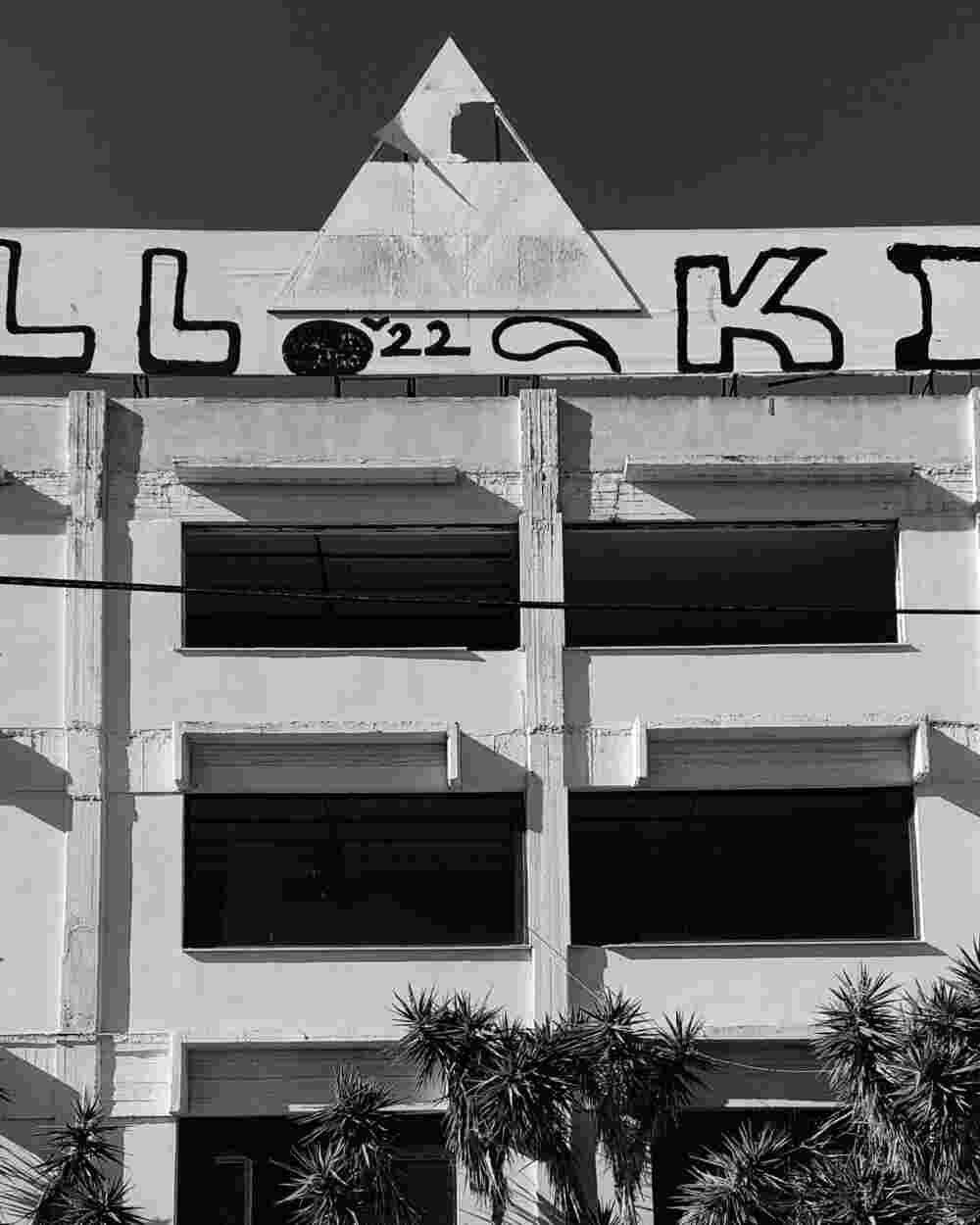
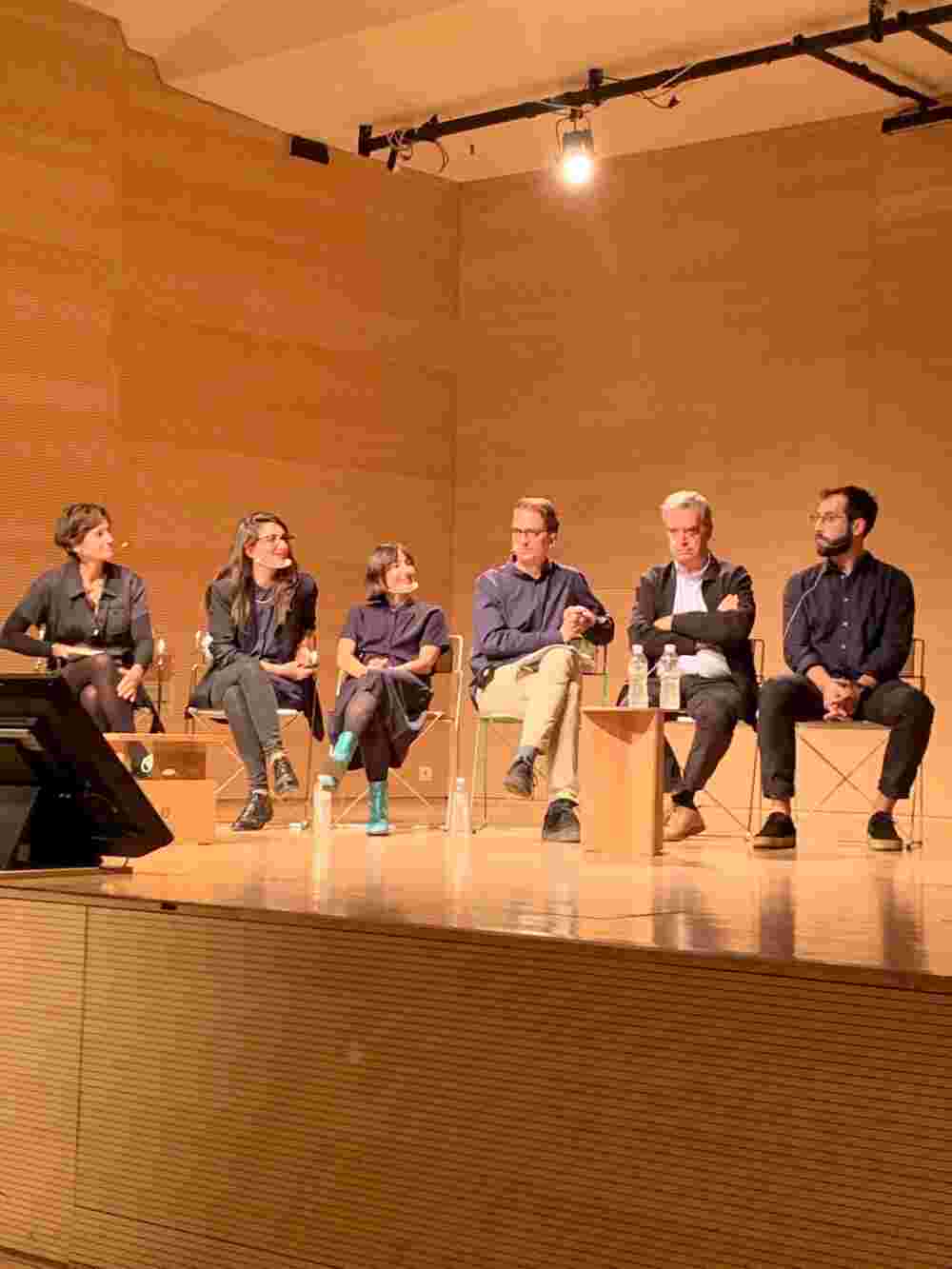
As part of DOMa Diaries 06, Roza (Roleplay’s co-founder, architect) and Eva (architect) presented our ongoing project of transforming the 1960s Dimitra lighting factory into the new headquarters of Orama Minimal Frames.
Together with AREA, Mold Architects, Arid, Lydia Xynogala, Kizi Studio, and Kokkinou–Kourkoulas, they shared their thoughts on contemporary architectural issues, focusing on time, process, and reuse as core tools.
At the end of the event, the hosts of DOMa, Thanasis Manis and Nikos Soulis, highlighted the common themes running through all seven presentations.
The project
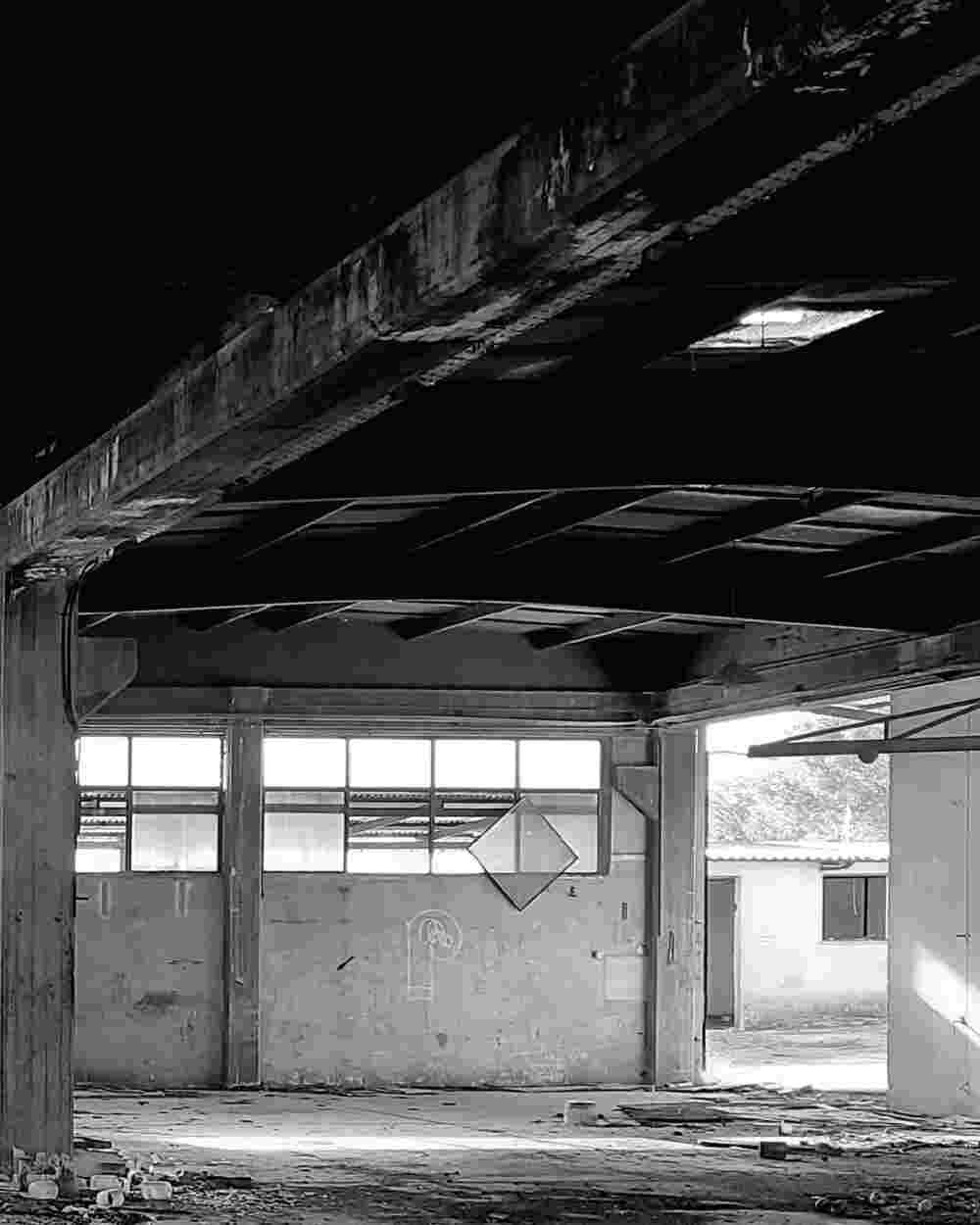
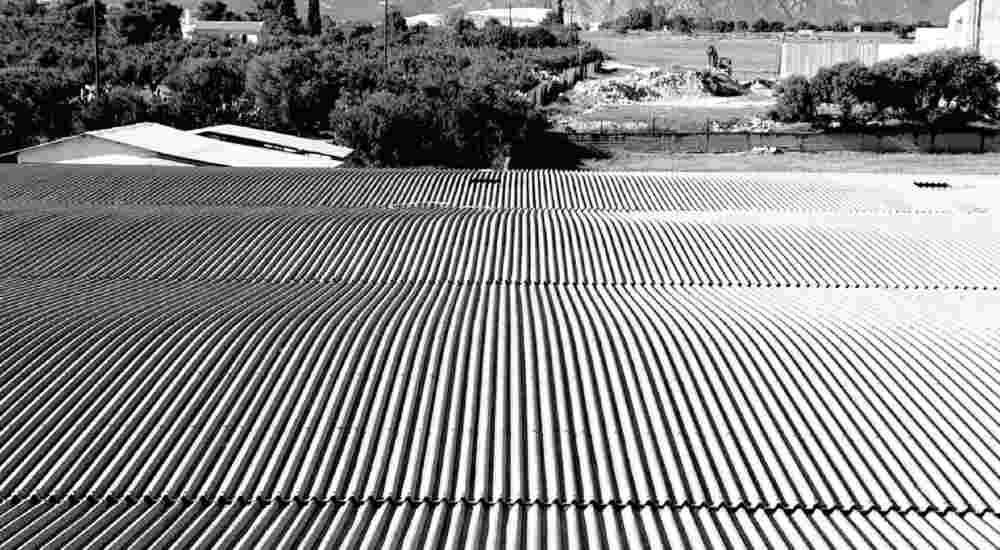
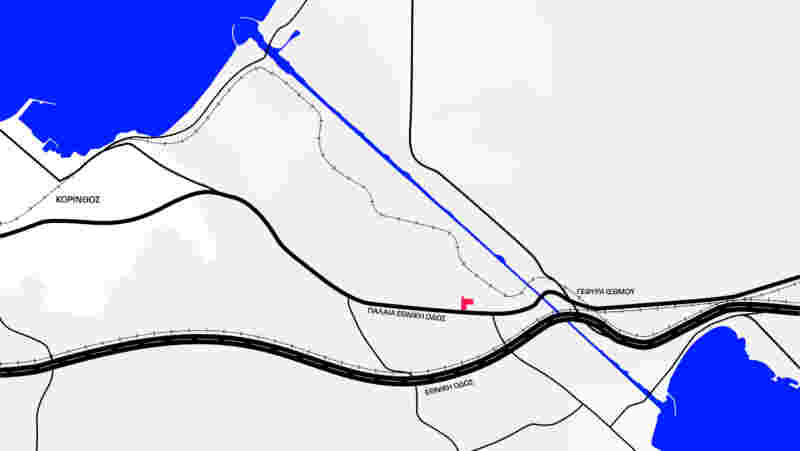
The Dimitra complex sits near the Corinth Canal, a dramatic cut that splits the land in two. This human intervention is an important part of the landscape and shapes the identity of the place. The building is located in the peri-urban area of Corinth, a region affected by deindustrialization, where large roadside industrial buildings are often abandoned or given new uses. Although Dimitra had been empty for over twelve years, it kept distinctive features, such as the wooden arched roof in the production halls, which we decided to highlight from the start.
The project faced two main challenges. First, we needed to fit offices, production spaces, storage, and exhibition areas under one roof. Second, we wanted to create a welcoming and sustainable environment for the people who use the building. Functionality was not enough. The design also had to integrate the building into a landscape of contrasts, between olive groves, fields, and the surrounding industrial area. Our goal was to make Dimitra an active part of the contemporary landscape.
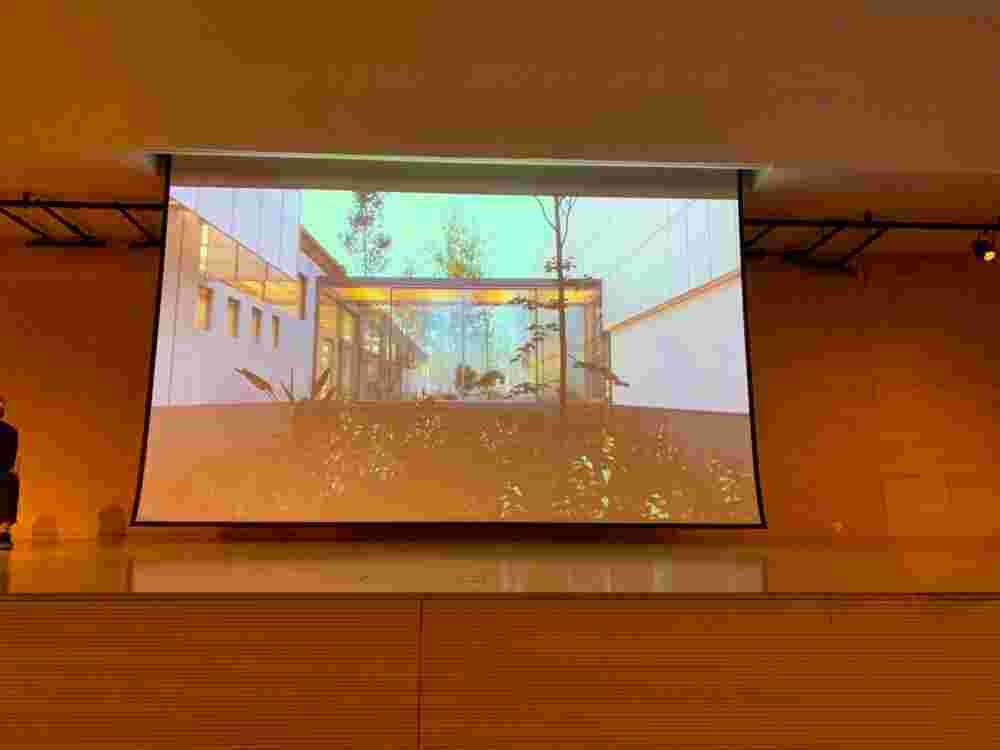
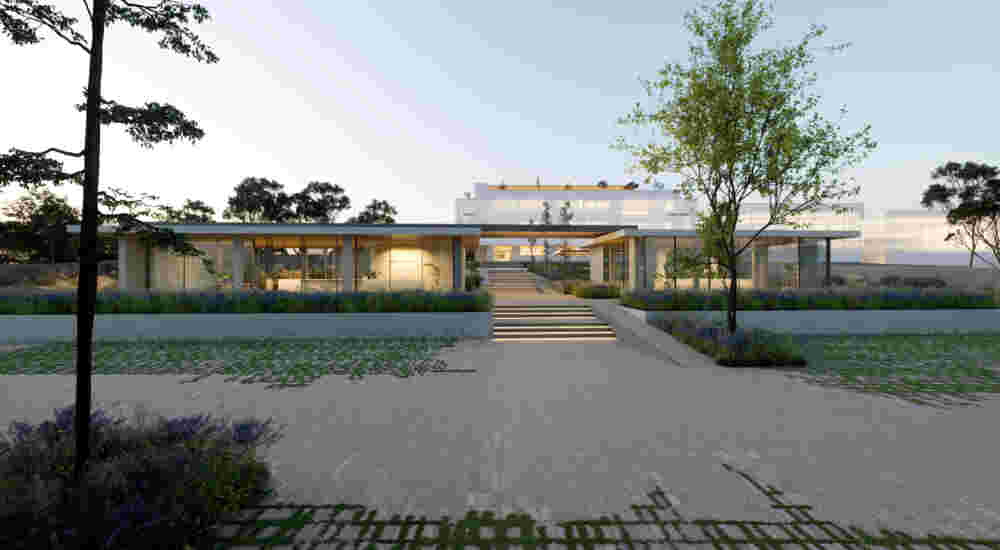
The central idea of the project is the concept of “green channels.” By keeping the structural frame and parts of the existing walls while removing temporary additions, the building was divided into three separate sections to support different activities: offices with production spaces, a packaging and loading area, and a robotic warehouse. The spaces between these sections were designed as green channels that follow the slope of the site. They collect rainwater and return it to the landscape, creating a gentle microclimate.
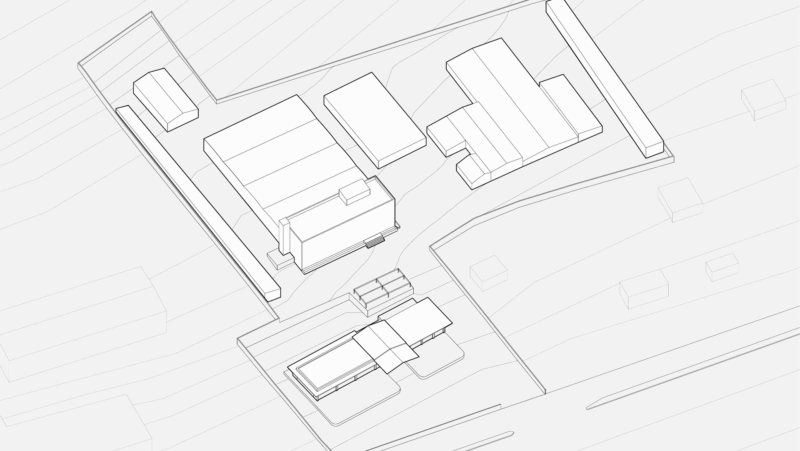
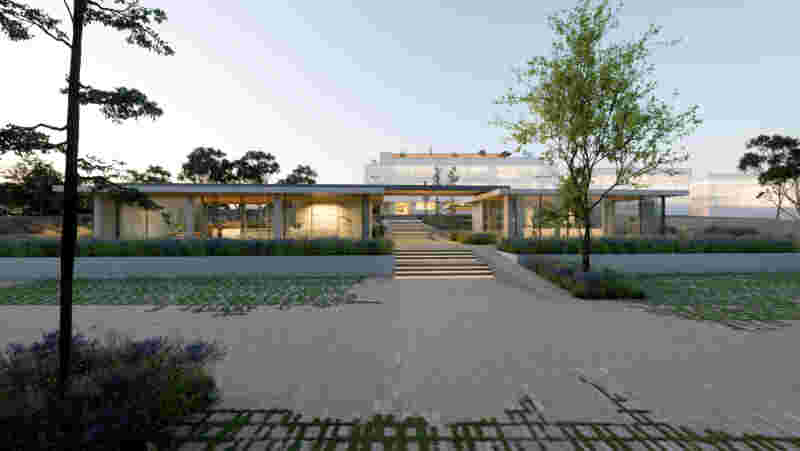
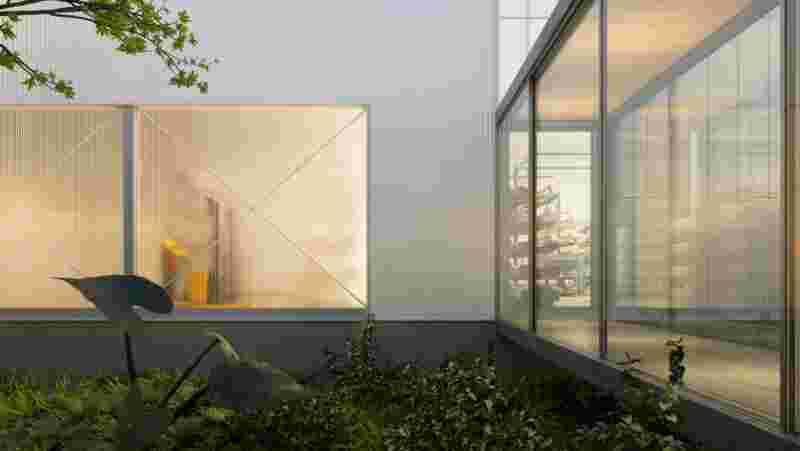
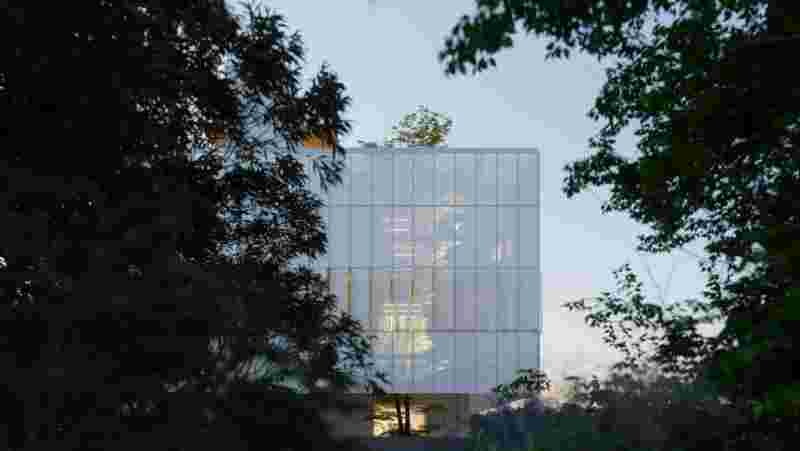
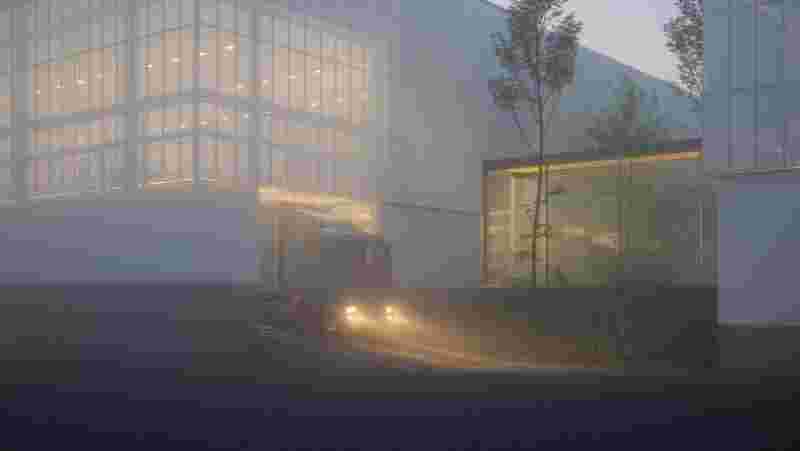
The three sections are connected by a main circulation path, and 2.5-meter-wide bridges allow people to move safely between buildings without crossing truck routes. The southern façades are covered with metal panels that provide both fixed shading and adjustable openings. This gives daylight to the office spaces and creates semi-outdoor areas. The façades facing the green channels have large openings that connect the building directly to the landscape.
Visitors enter through the showroom, a pavilion clad with the company’s frames, walk through the outdoor space to the main office entrance, and continue across the production areas, gradually discovering how the building works. The route ends at the northern edge of the site, in a staff pavilion affectionately known as the Provatina Bar.
DOMa Diaries 06 offered the perfect platform to share our approach. The project shows how careful reuse of an old industrial building can transform it into a lively, functional, and sustainable workplace.